
Goldilocks and the Three Bears: A Comprehensive Exploration
Origins and Historical Context
These tales often served as cautionary lessons‚ emphasizing respect for property and boundaries. The story’s roots likely lie in older European folktales‚ blending elements of social commentary with moral instruction. The emergence of printed versions‚ including accessible PDF formats‚ solidified the story’s place in children’s literature. The tale’s enduring appeal speaks to universal themes of curiosity‚ disobedience‚ and the consequences of one’s actions‚ readily available in digital archives.
Early Versions and Authorship
Authorship remains somewhat murky; Southey compiled and adapted an existing folktale rather than creating it entirely. Earlier versions featured different animals and a more punitive ending for the intruder. The evolution towards the familiar bear family and Goldilocks’ relatively mild consequences occurred through successive retellings. Modern PDF collections often include comparative analyses of these early drafts‚ showcasing the story’s transformation over time.
Robert Southey’s Contribution (1837)
Southey’s contribution wasn’t simply transcription; he imbued the story with a gentle moral tone‚ focusing on respect for property and boundaries. While earlier versions sometimes featured harsher punishments‚ Southey’s Goldilocks simply flees. These original PDF versions allow scholars and readers to examine Southey’s stylistic choices and understand his impact on the story’s enduring popularity.
Variations in Different Editions
Numerous editions of “Goldilocks and the Three Bears” exist‚ showcasing fascinating variations in text and illustration. Early versions‚ predating Southey’s 1837 rendition‚ often featured a more mischievous or even villainous Goldilocks‚ sometimes facing severe consequences. Accessing these older editions as PDFs‚ through resources like the VPSI Library‚ reveals the story’s evolution.
The Story’s Narrative Structure
“Goldilocks and the Three Bears” follows a remarkably simple‚ yet effective‚ narrative structure; It begins with establishing the setting and introducing the bear family and their routine. The core of the story revolves around a series of three parallel events – porridge‚ chairs‚ and beds – each demonstrating Goldilocks’ intrusion and preference.
The Three Bears and Their Characterization
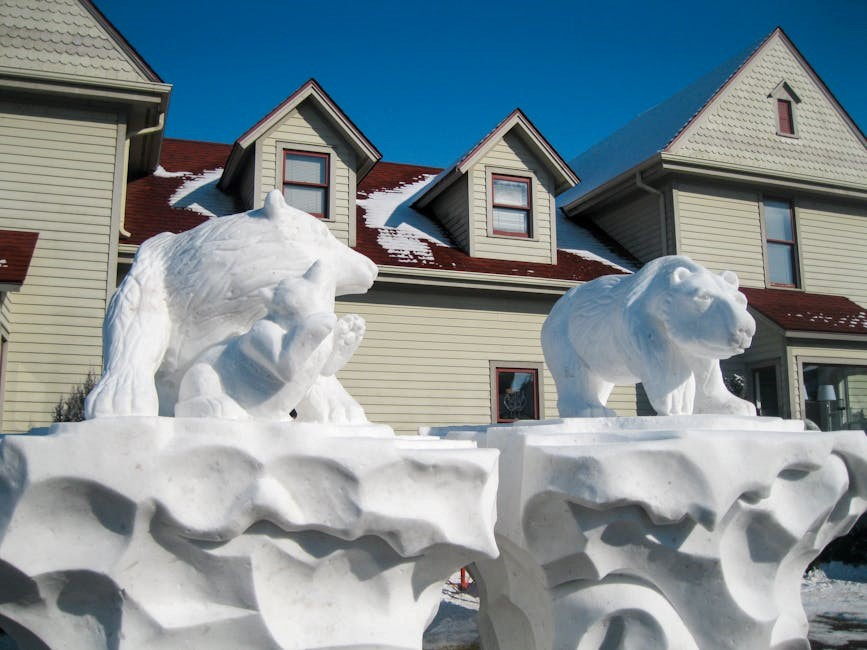
The three bears – Papa Bear‚ Mama Bear‚ and Baby Bear – are defined by their size and corresponding possessions‚ creating a clear hierarchy. Papa Bear represents authority and strength‚ while Mama Bear embodies nurturing care. Baby Bear‚ with his smaller stature and belongings‚ evokes sympathy and vulnerability.
Goldilocks’ Character and Motivations
Goldilocks is typically portrayed as a curious‚ yet impolite‚ young girl who enters the bears’ home without permission. Her motivations are rarely explicitly stated‚ often implied as simple childish exploration and a desire for comfort. She samples the porridge‚ tests the chairs‚ and ultimately falls asleep in Baby Bear’s bed‚ demonstrating a lack of respect for others’ property.

Key Events: Porridge‚ Chairs‚ and Beds

The narrative centers around three pivotal events: Goldilocks’ interaction with the bears’ porridge‚ chairs‚ and beds. She finds Papa Bear’s porridge too hot‚ Mama Bear’s too cold‚ and Baby Bear’s just right‚ consuming the latter. Similarly‚ she deems Papa Bear’s chair too hard‚ Mama Bear’s too soft‚ and Baby Bear’s chair breaks when she sits in it.

Moral and Interpretations of the Tale
The story traditionally imparts a moral about respecting others’ property and the consequences of intrusion. Goldilocks’ actions demonstrate a lack of consideration‚ leading to disruption and potential fear for the bears upon their return. However‚ interpretations extend beyond simple etiquette.
Themes of Respect for Property
Central to “Goldilocks and the Three Bears” is the explicit theme of respecting the property of others. Goldilocks’ unauthorized entry into the bears’ home and subsequent use of their belongings – porridge‚ chairs‚ and beds – clearly illustrate a disregard for boundaries. The narrative emphasizes the wrongfulness of her actions‚ presenting a straightforward lesson in ethical behavior.
Lessons on Boundaries and Consequences
“Goldilocks and the Three Bears” powerfully illustrates the importance of respecting boundaries and the inevitable consequences of disregarding them. Goldilocks crosses a clear line by entering the bears’ home without permission‚ demonstrating a lack of respect for their personal space. Her actions – tasting their porridge‚ breaking a chair‚ and disrupting their beds – all represent boundary violations.
Psychological Interpretations (Freudian & Others)
Psychological analyses of “Goldilocks and the Three Bears” offer intriguing interpretations beyond the surface narrative. Freudian perspectives often view the story through the lens of Oedipal complexes‚ with Goldilocks representing a disruptive force entering a familial dynamic. The three bears can symbolize different aspects of the parental figures‚ and Goldilocks’ choices reflect a search for the “just right” parental substitute.
Goldilocks and the Three Bears in Popular Culture
“Goldilocks and the Three Bears” has permeated popular culture‚ appearing in countless adaptations across various media. From film and television to music and art‚ the story’s core themes resonate with audiences of all ages. The tale frequently serves as a recognizable allegory for finding one’s place and respecting boundaries.
Adaptations in Film and Television
The narrative of “Goldilocks and the Three Bears” has seen numerous adaptations for film and television‚ demonstrating its enduring appeal. These versions range from traditional animated shorts to more contemporary interpretations‚ often reimagining the characters and plot for modern audiences. Many adaptations aim to visually bring the story to life‚ enhancing the experience for younger viewers.
Illustrations and Visual Representations
Throughout the history of “Goldilocks and the Three Bears‚” illustrations have played a crucial role in shaping the story’s perception. Early editions featured charming‚ often hand-drawn‚ depictions of the bears’ home and the characters themselves. These visuals helped to solidify the story’s imagery in the minds of readers‚ particularly children.
The Story’s Presence on YouTube and Digital Platforms
“Goldilocks and the Three Bears” enjoys a significant presence on YouTube and various digital platforms. Numerous animated adaptations‚ read-aloud videos‚ and educational content featuring the tale are readily available‚ reaching a vast audience. The official YouTube app‚ accessible on Android and iOS devices‚ facilitates easy access to these resources.
PDF Versions and Online Availability (as of 01/09/2026)
These digital formats offer convenient access for reading on various devices. Users can easily find and download these PDFs for offline enjoyment. The availability extends beyond dedicated libraries‚ with many websites offering free downloads. This widespread accessibility ensures the story remains a staple in children’s literature‚ easily shared and enjoyed globally.
Accessibility and Distribution of Digital Texts

These digital formats cater to diverse learning needs‚ offering features like adjustable font sizes and screen readers. The ease of sharing PDFs via email or online platforms further expands reach. YouTube also provides numerous read-aloud versions‚ broadening access. As of 01/09/2026‚ the story’s digital presence ensures its continued relevance and enjoyment for generations to come.